Description
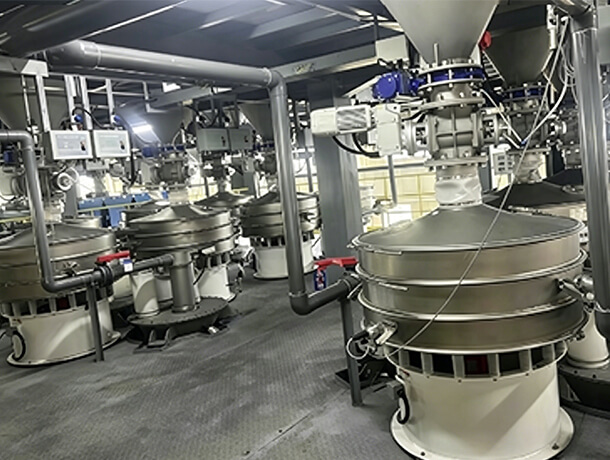
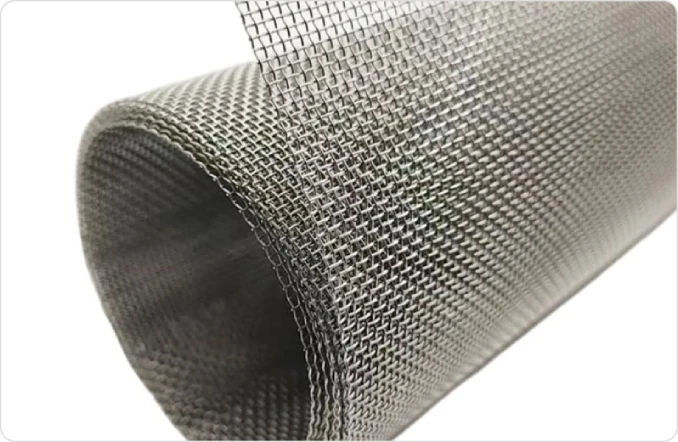
Vibrating screen mesh is a core wearing part of vibrating screening equipment, which directly determines screening accuracy, efficiency and operation stability. It is widely used in various industries such as mining, metallurgy, building materials, chemical industry, grain and environmental protection, undertaking key operation tasks such as material classification, screening, impurity removal and dehydration. Its quality and adaptability directly affect the production capacity and product quality of the entire production line, making it an indispensable core component in the screening system.
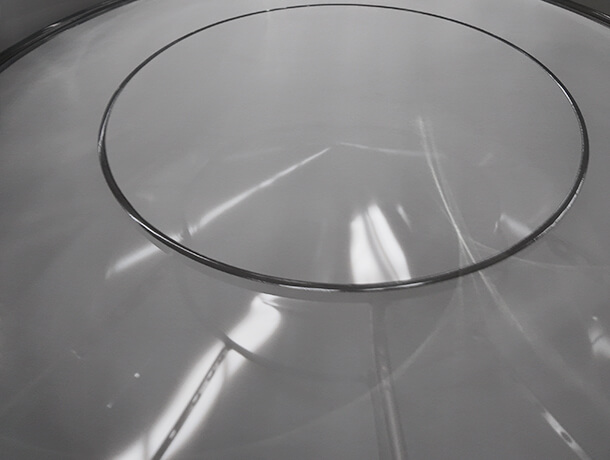
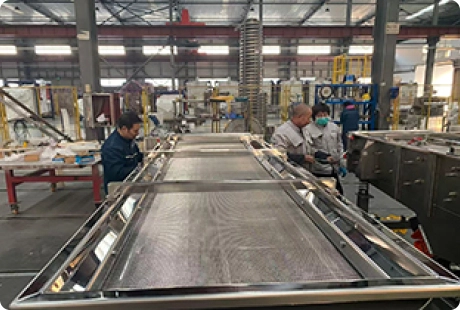
Woven Mesh
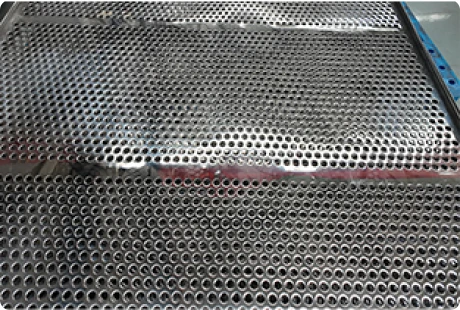
Punch Hole Mesh
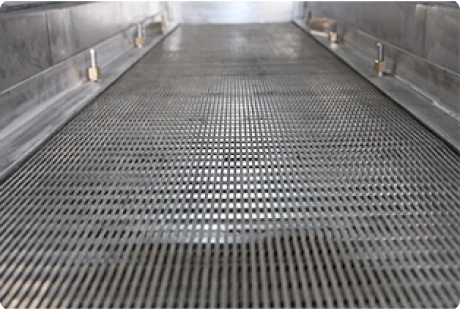
Bar Mesh
Daily Maintenance and Service Life Extension Tips
As a wearing part, reasonable maintenance of vibrating screen mesh can significantly extend its service life and reduce replacement costs:
1. Installation Inspection
Check the flatness of the screen mesh before installation to ensure no deformation or damage. Fix it firmly during installation to avoid increased wear due to looseness during operation; regularly check the fit between the screen edge and the screen frame, and adjust the fastening bolts in a timely manner.
2. Material Pretreatment
Prevent large and hard foreign objects (such as metal blocks and stones) from entering the screen surface to avoid impact damage to the screen mesh; properly dehydrate wet materials before screening to reduce material viscosity and blockage probability.
3. Regular Cleaning
Timely clean residual materials on the screen surface after operation, especially viscous materials. High-pressure water gun flushing or brush cleaning can be used to avoid material caking and screen blockage, which affects subsequent screening efficiency.
4. Proper Storage
Store spare screen mesh in a dry and well-ventilated environment to prevent rusting of metal screen mesh and aging of non-metal screen mesh; avoid extrusion and folding to prevent deformation and damage.
5. Timely Replacement
When the screen mesh is found to be damaged, deformed, or with enlarged apertures, replace it in a timely manner to avoid unqualified materials mixing into finished products and prevent the damaged part from expanding to damage the screen frame and vibrating equipment.